BEGIN:VCALENDAR
VERSION:2.0
CALSCALE:GREGORIAN
METHOD:PUBLISH
PRODID://WPS//518701
BEGIN:VEVENT
DTSTAMP:20260515T175452
VTIMEZONE:America/New_York
DTSTART:20260529T160000Z
DTEND:20260529T180000Z
UID:518701
SUMMARY:The Human Animal Bond and Ethical Considerations of Emotional Support Animal Evaluations
LOCATION:, MI
DESCRIPTION:The Human Animal Bond and Ethical Considerations of Emotional Support Animal Evaluations \n\n05/29/26 12:00 PM EST\n - 05/29/26 02:00 PM EST\Description:\nThis webinar has been approved by the University of Detroit Mercy, an institution regionally accredited by the Higher Learning Commission, which is our partner in the offerings of Continuing Education activities.\n\nAs a psychologist/mental health professional have you been asked to assess and certify an emotional-support animal (ESA) by a client? If you have ever considered whether you might do this, you may have questions on whether such an assessment is billable, and if there are associated liabilities. In addition, there is considerable confusion among mental health professionals on whether we may be considered fully competent to fulfill such a request. This webinar will first explain the research over the past two decades in Human-Animal Bond. The presentation will then turn to differences among 1) a service animal; 2) a therapy animal; and 3) an emotional support animal including how the U.S. federal regulations such as the American Disabilities Act (ADA) and the Fair Housing Act (FHA) pertain to service animals vs. therapy animals vs. emotional support animals. Dr. Kahn will explain how she developed the ESA protocol to assess the mental health of the client, the human-animal bond, and the welfare of proposed ESA animal.\n\nNon-members pay $60 per person and Members pay $40 per person. Membership costs only $75 yearly.\n\nClick here to become a member\n\n\n\nHelen J. Kahn, Ph.D., LP\n\nDr. Helen Kahn is a licensed psychologist and clinical supervisor with Clarity Behavioral Health and Assessments in Marquette, Michigan. She meets with adult clients , 18 years and old, with anxiety and mood disorders in individual psychotherapy sessions. Her speciality includes Emotional Support Animal Evaluations in which she engages in an\ninteractive process of psychological evaluation of the human with an assessment of the human-animal bond.\n\nDr. Kahn received her Ph.D. in Experimental Psychology from the University of North Dakota in 1989. She then completed postdoctoral fellowships funded by the Canadian Institutes of Health and The Health C ouncil of Québec (Fonds de Recherche du Québec – Santé (FRQS) in Aging, Neuropsychology, and Cognition at the Université de Montréal.\n\n\nShe then transitioned to her university career as a professor at the University of Vermont and Northern Michigan University. Following ten years of research in animal-assisted therapy Dr. Kahn was the founder of Sasawin Safe Haven a program with the Women's Center of Marquette. Sasawin Safe Haven provides safe housing for companion animals, and veterinary care for survivors whose animals are caught up in the cycle of violence with their humans. Dr. Kahn was licensed in psychology in Michigan in 2009 after completing a post-doctoral clinical specialization program. Dr. Kahn retired from Northern Michigan University in 2019, and has continued her psychology practice at Clarity Behavioral Health Assessment Center.\n\n\n\nRachael Nelson, M.S., LLP\n\nRachael Nelson is a Limited Licensed Psychologist and the owner of Clarity Behavioral Health and Assessment Center. She brings a strong interdisciplinary background, combining expertise in biological and psychological sciences.\n\nRachael earned her Master’s degree in Biology from Northern Michigan University in 2020 and a second Master’s degree in Psychology in 2022. Her academic work emphasized genetics, microbiology and neurobiology, focusing on the genetic components of ADHD. Her research explored rapid detection methods for gene mutations using Loop-mediated Isothermal Amplification (LAMP), reflecting her interest in bridging biological science and clinical application.\n\n\nIn addition to her clinical work, Rachael integrates animal-assisted interventions into her practice. She is partnered with her therapy dog, Hugo, a Bracco Italiano, with whom she is a certified therapy team through Pet Partners. Hugo began obedience training at eight weeks old, progressed to specialized therapy training between six months and one year, and was certified at one year of age. Together, they volunteer at Northern Michigan University through Wildpups, providing emotional support and stress relief to college students. Hugo has also supported select clinical cases through gradual exposure work.\n\nOutside of her professional work, Rachael is a dedicated dog owner to three dogs: Hank and Hoss, both beagles, and Hugo.\n\n\n
X-ALT-DESC;FMTTYPE=text/html:The Human Animal Bond and Ethical Considerations of Emotional Support Animal Evaluations
05/29/26 12:00 PM EST - 05/29/26 02:00 PM EST
Description:
This webinar has been approved by the University of Detroit Mercy, an institution regionally accredited by the Higher Learning Commission, which is our partner in the offerings of Continuing Education activities.
As a psychologist/mental health professional have you been asked to assess and certify an emotional-support animal (ESA) by a client? If you have ever considered whether you might do this, you may have questions on whether such an assessment is billable, and if there are associated liabilities. In addition, there is considerable confusion among mental health professionals on whether we may be considered fully competent to fulfill such a request. This webinar will first explain the research over the past two decades in Human-Animal Bond. The presentation will then turn to differences among 1) a service animal; 2) a therapy animal; and 3) an emotional support animal including how the U.S. federal regulations such as the American Disabilities Act (ADA) and the Fair Housing Act (FHA) pertain to service animals vs. therapy animals vs. emotional support animals. Dr. Kahn will explain how she developed the ESA protocol to assess the mental health of the client, the human-animal bond, and the welfare of proposed ESA animal.
Non-members pay $60 per person and Members pay $40 per person. Membership costs only $75 yearly.
Click here to become a member
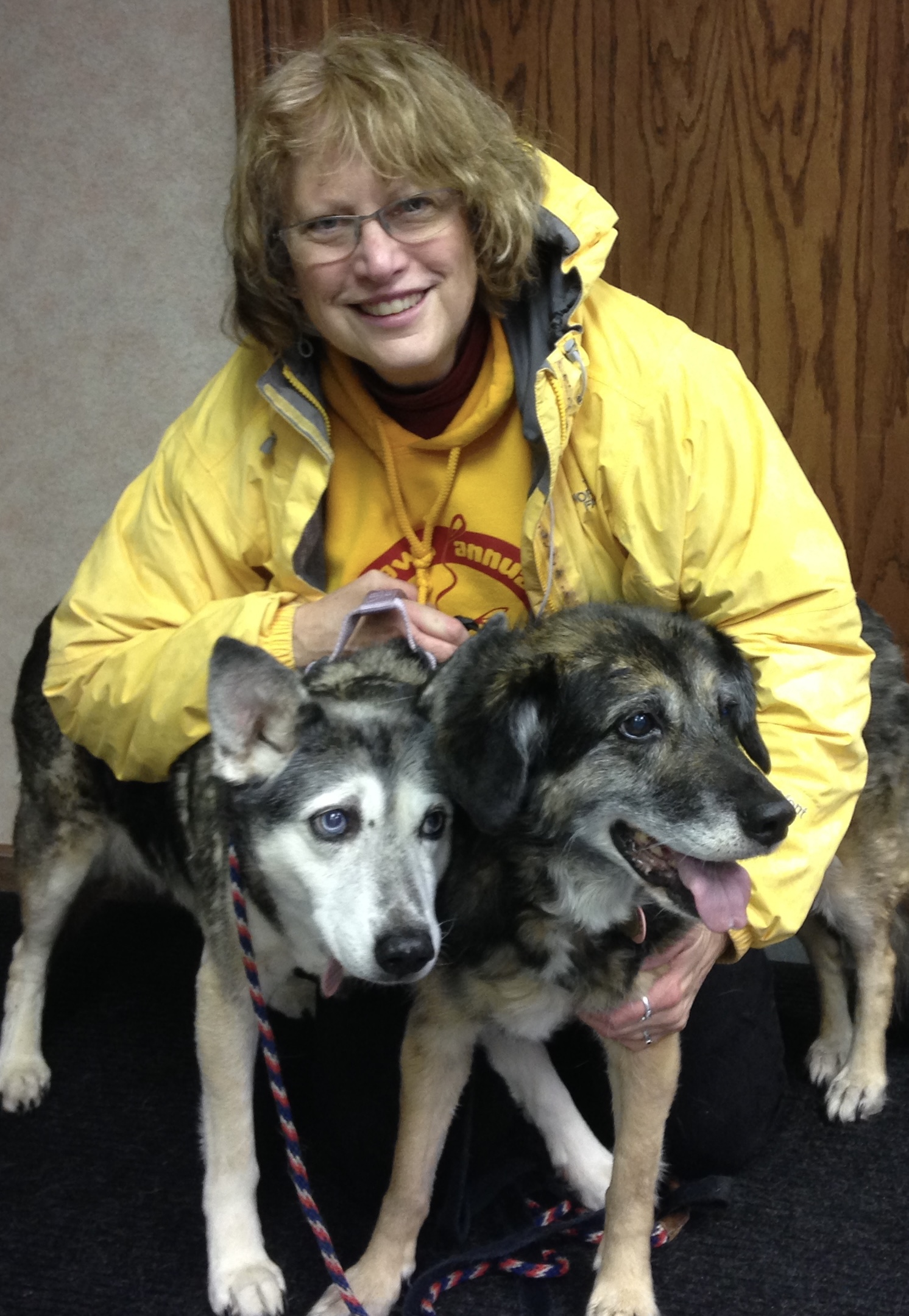
Helen J. Kahn, Ph.D., LP
Dr. Helen Kahn is a licensed psychologist and clinical supervisor with Clarity Behavioral Health and Assessments in Marquette, Michigan. She meets with adult clients , 18 years and old, with anxiety and mood disorders in individual psychotherapy sessions. Her speciality includes Emotional Support Animal Evaluations in which she engages in an
interactive process of psychological evaluation of the human with an assessment of the human-animal bond.
Dr. Kahn received her Ph.D. in Experimental Psychology from the University of North Dakota in 1989. She then completed postdoctoral fellowships funded by the Canadian Institutes of Health and The Health C ouncil of Québec (Fonds de Recherche du Québec – Santé (FRQS) in Aging, Neuropsychology, and Cognition at the Université de Montréal.
She then transitioned to her university career as a professor at the University of Vermont and Northern Michigan University. Following ten years of research in animal-assisted therapy Dr. Kahn was the founder of Sasawin Safe Haven a program with the Women's Center of Marquette. Sasawin Safe Haven provides safe housing for companion animals, and veterinary care for survivors whose animals are caught up in the cycle of violence with their humans. Dr. Kahn was licensed in psychology in Michigan in 2009 after completing a post-doctoral clinical specialization program. Dr. Kahn retired from Northern Michigan University in 2019, and has continued her psychology practice at Clarity Behavioral Health Assessment Center.

Rachael Nelson, M.S., LLP
Rachael Nelson is a Limited Licensed Psychologist and the owner of Clarity Behavioral Health and Assessment Center. She brings a strong interdisciplinary background, combining expertise in biological and psychological sciences.
Rachael earned her Master’s degree in Biology from Northern Michigan University in 2020 and a second Master’s degree in Psychology in 2022. Her academic work emphasized genetics, microbiology and neurobiology, focusing on the genetic components of ADHD. Her research explored rapid detection methods for gene mutations using Loop-mediated Isothermal Amplification (LAMP), reflecting her interest in bridging biological science and clinical application.
In addition to her clinical work, Rachael integrates animal-assisted interventions into her practice. She is partnered with her therapy dog, Hugo, a Bracco Italiano, with whom she is a certified therapy team through Pet Partners. Hugo began obedience training at eight weeks old, progressed to specialized therapy training between six months and one year, and was certified at one year of age. Together, they volunteer at Northern Michigan University through Wildpups, providing emotional support and stress relief to college students. Hugo has also supported select clinical cases through gradual exposure work.
Outside of her professional work, Rachael is a dedicated dog owner to three dogs: Hank and Hoss, both beagles, and Hugo.
PRIORITY:3
TRANSP:TRANSPARENT
BEGIN:VALARM
TRIGGER:-PT5M
ACTION:DISPLAY
DESCRIPTION:Reminder
END:VALARM
END:VEVENT
END:VCALENDAR